LED Video Wall Cost: What Shapes the Total Budget
A practical purchasing guide to the equipment, configuration, logistics, and support factors that shape an LED video wall budget.
Build an equipment budget from quantities
Start with a bill of materials and a matching configuration for every quotation. Use quantity × quoted unit price for each line, then add the agreed delivery and service costs without counting included items twice. Record currency, quotation date, validity, destination, and delivery terms. This guide covers equipment purchased for an event rental fleet; short-term event hire rates are a different cost. A current price requires a defined configuration and supply scope.
The equipment choices that affect budget
Pixel pitch, cabinet dimensions, brightness, protection requirements, maintenance access, cabinet weight, and the intended indoor or outdoor environment can all change the suitable product and configuration. Rental buyers should also consider how a cabinet fits the existing fleet, flight cases, power distribution, and control workflow. These are selection factors to verify against the exact model rather than assumptions based on a series name.
Compare the same build across quotes
Use one screen layout and equipment list for every quote. Compare cabinet quantities and dimensions first, then pitch, indoor or outdoor configuration, maintenance access, control equipment, and cases. For a curved build, include the required curved splicing range and compatible accessories as separate line items. A right-angle corner needs its own compatible cabinet or accessory solution; a curved splicing angle does not establish that capability. Keep optional upgrades separate so you can see what changes the total.
Worked quantity example for a quote worksheet
Illustrative purchase: a 4 m × 2.5 m flat wall made from 500 × 500 mm cabinets has 8 columns × 5 rows = 40 cabinets and 10 m² of display area. The cabinet line is therefore 40 × the quoted cabinet price. If a compatible case holds 8 cabinets, 40 ÷ 8 = 5 cases before adding spares. Case capacity is an assumption for this example, not a supplied accessory specification. Price controllers, cabling, spares, mounting hardware, and delivery as separate lines unless explicitly included.
Fill in the inclusion and delivery columns
For each quote line, enter item/configuration, quantity, unit, unit price, line total, inclusion status, and responsible party. Mark receiving cards and power supplies already included in cabinets to avoid double-counting them. Keep display-area pricing separate from whole-system totals. Add packing dimensions and gross shipment weight to the transport request, and record who pays freight, insurance, import charges, and destination handling under the agreed delivery terms. Leave unquoted items blank rather than treating them as free.
Prepare a comparable request for quote
Use a project split that can be completed before requesting a quote: display cabinets/modules; control and processing; power and data cabling; cases and transport; spares and tools; structure or rigging; testing and support; delivery and other site costs. For each line, record quantity, unit, included/optional status, buyer responsibility, and the assumption that still needs confirmation. Provide the target image area, width and height, indoor or outdoor conditions, expected viewing distances, camera use, mounting constraints, event frequency, destination, preferred units, and the date by which the equipment is needed. A transparent request gives suppliers a better basis for recommending a configuration without inventing a fixed price.
Use the budget to compare value
For a rental company, value includes repeatable setup, transport efficiency, serviceability, compatibility with the current fleet, and the availability of sensible spares. A lower initial figure may not be lower over the equipment's working life if it creates mixed control systems, difficult packing, or unsupported configurations. Compare the complete equipment list and the assumptions behind it.
Common questions
How do I compare a per-square-meter quote with a per-cabinet quote?
For a 500 × 500 mm cabinet, display area is 0.25 m², so four cabinets cover 1 m². Divide that cabinet price by 0.25 to compare the display hardware only. Keep pitch, environment, included components, currency, and quotation date consistent; a whole-system total divided by screen area includes other costs.
How can I structure an LED video wall budget before prices are available?
Create separate lines for display hardware, control, cabling, cases and transport, spares and tools, structure or rigging, testing/support, delivery, and site costs. Add quantity, unit, inclusion status, buyer responsibility, and assumptions to each line; leave the price blank until a defined quotation is available.
What should an LED video wall quote include?
At minimum, request the display models and quantities, control equipment, cabling, structural or mounting assumptions, cases, spares, delivery scope, testing, and any support or installation terms. Mark optional items separately.
Does a rental display cost more than a fixed installation display?
The suitable design depends on the use case. Rental equipment may need features such as repeatable assembly, transport protection, and service access, while a fixed installation has different structural and environmental requirements. Compare systems for the job rather than using the category label alone.
Explore related series
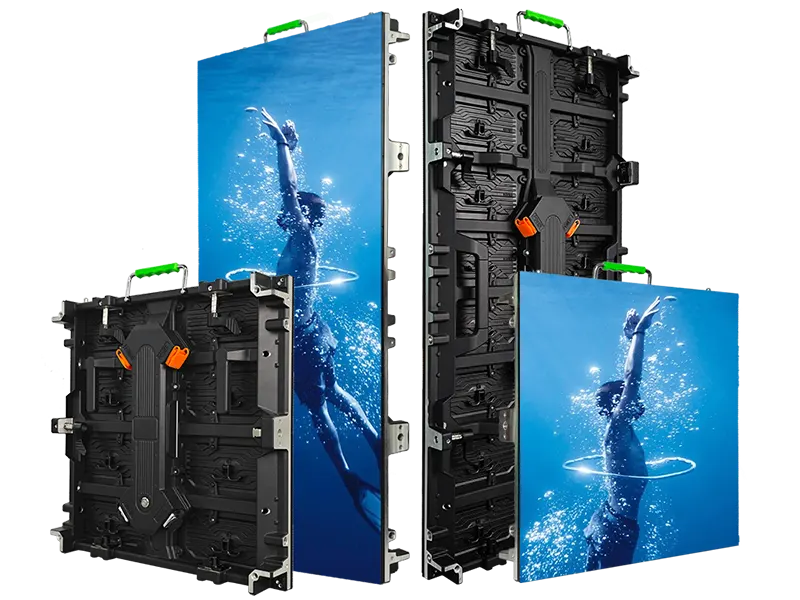
InnoLux
Rental LED display configurations for indoor and outdoor event use
View series →
InnoVisual
Creative rental LED display configurations with curved splicing
View series →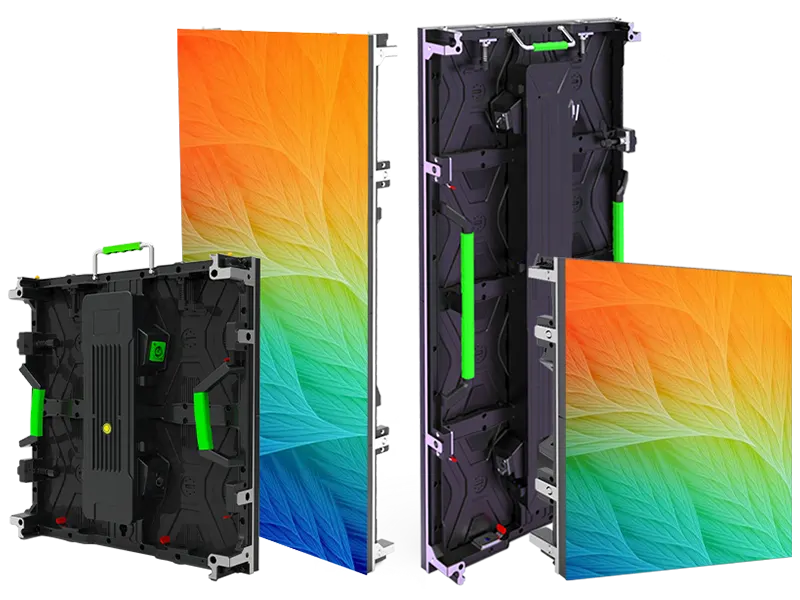
OptiFlex
Flexible rental LED display configurations with curved splicing options
View series →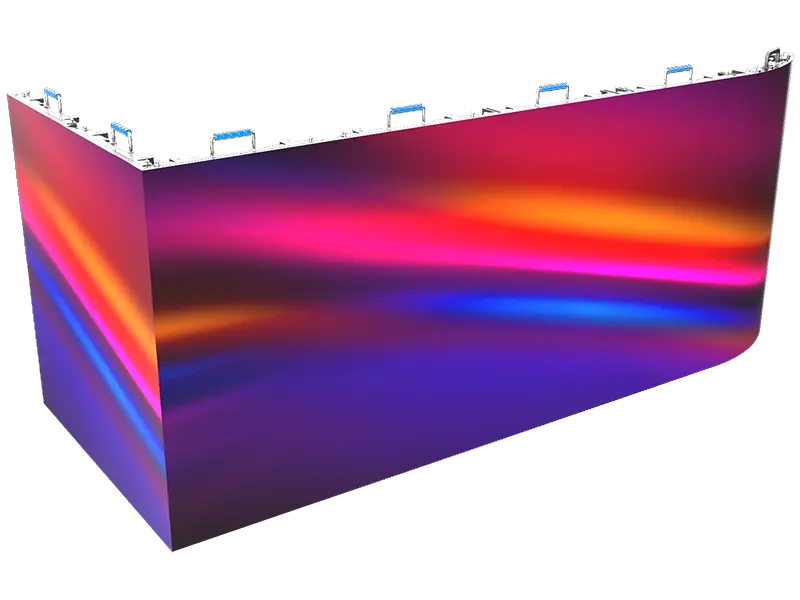
PixelFuse
Creative rental LED display configurations with flexible splicing
View series →Discuss your configuration
Have a question? Just leave your email and a message.